 Canada
 United States
Wastewater guide
Lift Stations, Septic Systems, and Odour: Controlling FOG, Hydrogen Sulphide, and Whether Additives Work
One biology explains the rotten-egg smell, grease, and corrosion in septic tanks and lift stations, and why adding oxygen, not additives, is the durable fix.
Last updated August 31, 2026
Rotten-egg septic and lift-station odour comes from anaerobic sulphate-reducing bacteria that produce hydrogen sulphide gas, which also corrodes concrete. The same low-oxygen conditions let fats, oils, and grease build up. Septic additives do not fix a broken system; adding oxygen through aeration is the durable, root-cause fix.
Whether you own a rural septic tank or operate a municipal lift station, the same complaints keep coming up: a rotten-egg smell, a greasy scum that will not go away, and concrete that is slowly eating itself. It is tempting to treat each of these as a separate problem. They are not. One piece of biology explains all of it, and once you understand it, the durable fix becomes obvious.
This guide unifies the two audiences that usually get separate, half-answers online. If you are a homeowner smelling sulphur in the yard, and if you are an operator watching a wet well corrode, you are looking at the same root cause. We will explain the biology, walk through both systems, tell you honestly what the EPA and university extensions say about additives, and show where adding oxygen helps and where it does not.
The one biology behind every smell: anaerobic sulphate reduction
Wastewater and septic effluent are full of organic material and dissolved sulphate. When there is plenty of oxygen, ordinary aerobic bacteria digest that organic load quickly and cleanly, converting it toward carbon dioxide and water. When oxygen runs out, a different crowd takes over. Sulphate-reducing bacteria thrive in oxygen-starved (anaerobic) water and use sulphate the way we use oxygen. Their waste product is hydrogen sulphide, the gas that smells like rotten eggs.
Anaerobic means odour, corrosion, and slow failure. Aerated means the odour, grease, and corrosion lose the conditions they need to persist.
How low oxygen creates hydrogen sulphide and acid that eats concrete
Hydrogen sulphide is only the beginning. Once that gas off-gasses into the air space above the water, a second group of bacteria living on damp concrete crowns and walls oxidises it into sulphuric acid. That acid attacks concrete above the waterline, a process operators call crown corrosion. It is why a wet well or force main can look fine at the flow line and be crumbling near the top. Extension and public-health sources describe hydrogen sulphide as both an odour and a corrosion problem, and note it is toxic to workers at elevated concentrations. We keep the specific concentration thresholds attributed to those sources rather than stating our own numbers.
Why the same biology lets FOG (fats, oils, and grease) persist
Fats, oils, and grease enter any collection system from kitchens and households. In a warm, turbulent, oxygen-rich environment, biology keeps working on them. But in the cool, still, low-oxygen zones of a septic tank or a lift-station wet well, FOG congeals into a floating cap, coats floats and pumps, and clogs. The very same anaerobic conditions that generate the smell also let grease sit undigested. Solve the oxygen problem and you address odour, corrosion, and grease together, because they all share one cause.
Two systems, one root cause: septic tanks vs lift-station wet wells
The biology is identical in a backyard tank and a municipal wet well. What differs is the equipment, the scale, and who fixes it. Understanding both sides of that coin is what makes this guide useful whether you are a homeowner or an operator.
What happens in a septic tank and drain field
A conventional septic tank is deliberately anaerobic. Solids settle, grease floats, and partially treated effluent flows out to the drain field, where soil finishes the job. The trouble starts when that effluent stays too anaerobic and overloaded. A slimy biomat of anaerobic bacteria thickens at the soil interface until water can no longer percolate. You get soggy ground, slow drains, backups, and odour over the field. Homeowners often reach for a monthly packet at this point, which is exactly the wrong move, as the next section explains.
What happens in a municipal lift station and force main
A lift station collects sewage in a wet well and pumps it onward, often through a long force main. Detention time is the enemy. The longer sewage sits with no oxygen, whether in a slow wet well or a long pressurised main, the more sulphide the bacteria generate and the thicker the grease cap grows. That is why odour and corrosion complaints spike at stations with long mains, low flow, or warm septic influent. Operators can go deeper in our full sewage-lagoon and lift-station management guide.
Do additives fix it? What the EPA and university extensions actually say
This is where honest advice separates from marketing. Independent reviews from the EPA and multiple university extensions report that septic additives are not necessary for a properly functioning system and do not repair a failed one. A normally loaded tank already grows the bacteria it needs from daily use. Some extension bulletins go further and warn that certain organic-solvent additives can contaminate groundwater, and that products which re-suspend solids can push them into the drain field and clog it, which is the opposite of helpful.
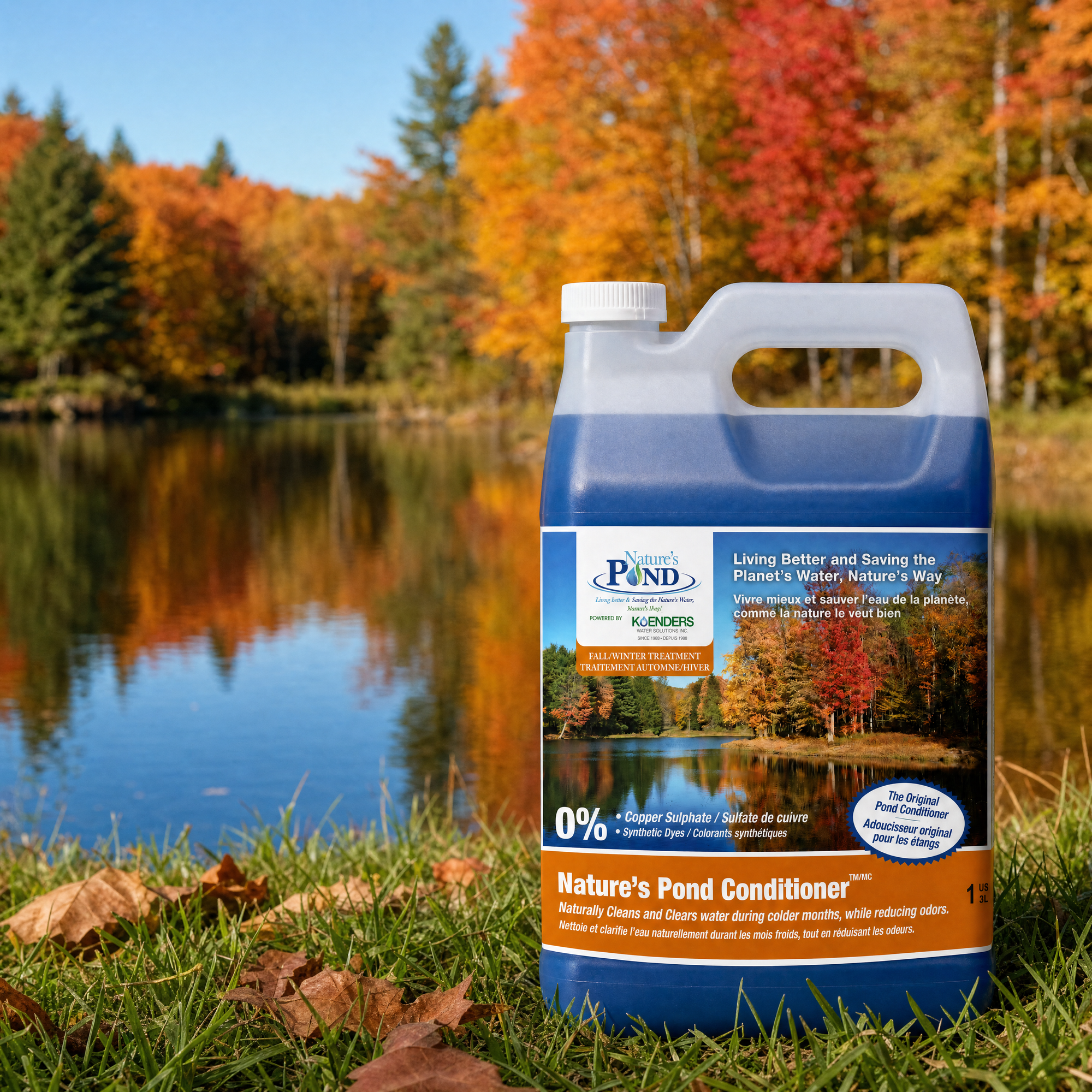
We want to be precise here: Nature's Pond Conditioner is a pond product, not a septic additive. It is an all-natural blend of aerobic and anaerobic beneficial bacteria, enzymes, and plant extracts for ponds and dugouts, and we do not market it as a fix for a septic tank. If you are weighing whether to buy a treatment packet for your septic, read do septic tank additives actually work before you spend a dollar. The short version: regular pumping and adequate oxygen do far more than any monthly product.
The durable fix: adding oxygen (aeration) and its limits
If anaerobic conditions cause the problem, aerobic conditions are the cure. Add oxygen and you change which bacteria dominate. This is the through-line of everything we do, and it is grounded in the same mechanism whether the water is a pond, a dugout, a lagoon, or a wet well. For the fundamentals of how oxygen gets into water, see pond and water aeration explained.
How aeration shifts the biology away from sulphide
When you introduce oxygen, sulphate-reducing bacteria lose their advantage. Aerobic organisms take over, digesting organics faster and more completely, and the conditions that generate hydrogen sulphide are suppressed at the source. University extension sources describe aeration and oxidation as an effective route for hydrogen sulphide, which is why operators increasingly look at wet-well aeration rather than only counteracting sulphide downstream with chemicals. Bottom-up diffused aeration is particularly effective because it delivers oxygen where the water is most stagnant and adds the mixing that breaks up a grease cap. You can compare diffused aeration systems for the equipment side.
When aeration underperforms: grit, undersizing, and cold climates
We are not going to pretend aeration is magic. It has honest limits, and ignoring them is how projects disappoint. Fine-bubble diffusers can foul with grit if the station carries a heavy solids or sand load. An undersized system will not deliver enough oxygen to keep up with a high organic load. And in hard-freeze climates, airlines and diffusers need to be designed and sited for winter. The fix is to size the system to the real flow and load, protect diffusers from grit, and plan for the cold. That is a design conversation, not a shelf product, which is why our sizing recommendations come from a person, not a calculator.
Chemical dosing vs biological and aeration: the lifetime-cost question
Many stations control odour by dosing chemicals such as iron salts, nitrate products, or peroxide. These work, but they are a recurring operating cost that never ends: the chemical itself, plus delivery, storage, and the safety overhead, every single year. Aeration flips the cost structure. It is mostly upfront capital plus energy, then a low recurring cost. Over a multi-year horizon, source-based biological plus aeration control often has a lower lifetime cost than chronic dosing, though grit and sizing have to be designed for honestly.
We do not publish invented dollar figures, because your crossover point depends on your dose rate, chemical price, flow, and energy cost. Instead, build the model with your own numbers. Our BOFU worksheet walks through it in the aeration vs chemical-dosing lifetime-cost comparison.
| Condition | Dominant bacteria | Odour and gas | FOG behaviour | Concrete and corrosion | Durability of the fix |
|---|---|---|---|---|---|
| Low oxygen (anaerobic) | Sulphate-reducing bacteria | Hydrogen sulphide, rotten-egg smell | Grease congeals into caps and clogs | H2S converts to acid, corrodes crowns | Chemicals counteract it continuously, cost never ends |
| Aerated (oxygen added) | Aerobic organisms | Sulphide suppressed at the source | Mixing and oxygen support digestion of FOG | Less sulphide off-gassing means less crown acid | Upfront capital plus energy, then low recurring cost |
Off-grid and cold-climate reality: prairie lagoons and remote septic ponds
Not every waterbody has a power line. Remote septic effluent ponds, small prairie lagoons, and stock dugouts still need oxygen, and they can get it without electricity. A windmill aerator uses wind to drive an air compressor that feeds a bottom diffuser, and solar aeration uses panels for the same job. Koenders has been building windmill aerators since 1988 for exactly these off-grid sites. Site exposure matters more than any single specification, so we size these to your wind, sun, water size, and access rather than a chart.
Cold climates add a wrinkle: airlines can ice and output drops in prolonged calm, so winter systems are designed with that in mind. If you manage remote or seasonal water and want the off-grid path, talk to our team for a free sizing recommendation.
Safety first: sewer gas, H2S, and confined spaces
This section is not optional. At elevated concentrations, hydrogen sulphide is toxic and has caused worker fatalities in confined wet wells and tanks. It also deadens the sense of smell, so you cannot rely on your nose to warn you. Never enter a wet well, lift station, or septic tank without confined-space entry procedures, monitoring, and the right people. For homeowners, low-level indoor sewer gas is usually a nuisance from a dry trap or vent, but persistent or strong odour warrants prompt professional inspection rather than masking.
- Treat every wet well and tank as a confined space with a potential toxic atmosphere.
- Monitor for hydrogen sulphide before and during entry; do not rely on smell.
- For homeowners, refill dry traps and check vents first, then inspect if odour persists.
- If you smell strong sewer gas indoors and cannot clear it, get a professional in promptly.
Choose your path: where to go from here
This hub routes to the right next step for your situation. Pick the one that matches your problem:
- Homeowner chasing a smell: start with the rotten-egg odour troubleshooting guide.
- Struggling drain field: read how to restore a failing drain field before paying for a replacement.
- Considering adding oxygen to a septic system: see converting a septic tank to aerobic treatment.
- Operator fighting grease: compare methods in lift station grease and FOG control.
- Operator fighting odour and corrosion: see hydrogen sulphide control at the source.
- Building a business case: use the aeration vs chemical-dosing lifetime-cost worksheet.
If you would rather skip the reading and get a straight recommendation, our municipal wastewater and lift-station solutions page shows the systems we build, and you can talk to our team for a free operator sizing and cost review.
Related
- Sewage-lagoon and lift-station management guide Operator-facing aeration, bioaugmentation, and dosing
- Do septic tank additives actually work? The EPA-cited honest answer
- Hydrogen sulphide control in lift stations Stopping odour and crown corrosion at the source
- Lift station grease and FOG control Degreasers vs biologicals vs wet-well aeration
- Municipal wastewater and lift-station solutions Systems we build for operators
- Talk to our team Free operator sizing and cost review
FAQ