 Canada
 United States
Troubleshooting
Pond Aeration Troubleshooting: A Symptom-Based Guide
Diagnose weak or missing bubbles, pressure loss, compressor noise, overheating, and frozen airlines with a safe, systematic process. This guide helps you identify likely causes, choose practical checks, and know when to call a technician.
Last updated August 8, 2026
A pond aeration system can appear simple, but every visible bubble depends on several components working together: the power source, compressor, intake filter, valves, fittings, airline, check valve, and diffuser. When performance changes, replacing parts at random can waste time and leave the actual problem unresolved. A better pond aeration troubleshooting method follows the air path from the compressor to the pond and uses each symptom to narrow the possibilities.
This guide covers the most common symptoms in farm ponds, acreage ponds, dugouts, koi ponds, and larger water bodies. It applies broadly to electric and wind-powered systems, although maintenance procedures and specifications vary by model. Always follow the KOENDERS WATER SOLUTIONS manual supplied with your equipment.
Start with safety and a clear baseline
Disconnect electrical power before opening a cabinet, removing a guard, servicing a compressor, or separating a pressurized fitting. Allow hot equipment to cool. Do not enter the pond, walk onto uncertain ice, or pull equipment from deep water unless you can do so safely. Electrical work, internal compressor repairs, and unfamiliar pressure tests belong with a qualified technician.
Before changing anything, record what the system is doing. Note whether the problem began suddenly or gradually, whether it affects every diffuser or only one, and whether it changes with wind, temperature, or operating time. Compare the current bubble pattern, sound, pressure reading, and airflow with the system's normal behaviour. Photographs and short videos can help a dealer diagnose an intermittent issue.
- Power or wind conditions when the symptom occurs
- Compressor sound, vibration, temperature, and run time
- Gauge pressure, if the system has a gauge
- Which diffuser stations are weak, normal, or inactive
- Recent maintenance, storms, excavation, ice, or shoreline activity
- Visible damage, loose fittings, kinked line, or water in the airline
Weak bubbles or no bubbles
First decide whether the issue affects the whole system. If every diffuser stops at once, begin at the power source and compressor. If one station is weak while others remain normal, focus on that branch, its valve, airline, check valve, and diffuser. A gradual decline often points to a restricted intake, diffuser fouling, normal wear, or a developing leak. A sudden loss more often suggests interrupted power, a disconnected fitting, damaged airline, a seized component, or a major blockage.
What to check
- Confirm the power supply, disconnect, breaker, timer, and controls are in their intended operating state. For a windmill system, confirm there is adequate wind and that the mechanical drive moves normally.
- Listen for the compressor. Silence may indicate a power, control, motor, or mechanical problem. Sound without airflow may indicate internal wear, a disconnected line, or a restriction.
- Inspect the intake filter. A dirty filter limits incoming air and can contribute to reduced output and excess heat. Clean or replace it only as specified for the model.
- Check valves and manifolds. Confirm that the intended branches are open and that balancing adjustments have not diverted most airflow to another diffuser.
- Apply an approved leak-detection solution to accessible fittings while the system is operating, if the manual permits. Bubbling at a fitting indicates escaping air. Never use a flame to find a leak.
- Inspect exposed airline for cuts, loose connections, crushing, kinks, animal damage, or disturbance from equipment.
- Consider the diffuser. Mineral deposits, biological growth, sediment burial, or accumulated debris can increase resistance. Follow the approved cleaning or replacement procedure.
Bubble appearance alone does not measure oxygen transfer accurately. Wind, waves, water depth, diffuser design, and viewing angle can alter what you see. Use the visible pattern as a diagnostic clue, then confirm performance with pressure, airflow, maintenance history, and, where pond conditions require it, dissolved oxygen measurements taken with suitable equipment.
Pressure is lower than normal
A falling pressure reading usually means the compressor is producing less air or air is escaping before it reaches its usual resistance. Compare the gauge with the system's established normal reading, not a generic target. Required pressure depends on diffuser depth, line arrangement, valves, and equipment design.
- A loose fitting, split airline, or open unused valve
- Worn compressor diaphragms, seals, vanes, cups, or other service components, depending on compressor type
- A faulty gauge or a gauge connection that is leaking
- Insufficient compressor speed or power
- A branch line that has disconnected underwater
Inspect accessible connections first. Isolate branches with the manifold valves only if your system is designed for that procedure, and avoid operating against a fully closed outlet. If closing one branch returns the remaining stations toward normal, investigate the isolated branch for a leak or disconnection. If pressure and airflow remain low at the compressor outlet after external restrictions and leaks are ruled out, arrange compressor service.
Pressure is higher than normal
High pressure often indicates that the compressor is pushing against increased resistance. Treat it promptly because excessive backpressure can reduce airflow, increase operating temperature, and shorten component life. Do not assume a strong pressure reading means strong aeration.
- A closed or partly closed valve
- A kinked, pinched, collapsed, or frozen airline
- A blocked check valve or fitting
- A fouled diffuser or diffuser buried in sediment
- A diffuser placed deeper than the system was selected to serve
- Moisture collecting at a low point in the line
If multiple diffusers share a manifold, compare branches carefully. One restricted station can behave differently from a system-wide restriction. Restore valve settings, inspect exposed line, and follow the manufacturer's process for testing or cleaning each diffuser. Never exceed the compressor or airline pressure rating in an attempt to clear a blockage.
The compressor is noisy or vibrating
A change in sound matters more than ordinary operating noise. Rattling can come from loose cabinet panels, fasteners, mounts, guards, or tubing touching the enclosure. A harsher mechanical sound may indicate worn internal parts, damaged bearings, misalignment, or operation under abnormal pressure. Vibration can also travel through a rigid mounting surface and make a healthy compressor seem louder.
With power disconnected, inspect accessible mounting hardware, rubber isolators, guards, and cabinet panels. Look for contact between tubing and the enclosure. Confirm that the base is stable and that ventilation openings are clear. Do not add improvised insulation around the compressor, since it can trap heat or obstruct airflow. If noise persists after external causes are corrected, or if the unit grinds, knocks, stalls, or repeatedly trips protection, stop operating it and seek service.
The compressor is running hot or shutting down
Compressors produce heat during normal operation, so warm equipment is not automatically faulty. The warning signs are a notable change from normal, repeated thermal shutdown, a burning odour, discoloured wiring, smoke, melted materials, or an enclosure that has lost ventilation. Disconnect power immediately if you see or smell evidence of an electrical fault.
- A clogged intake filter or blocked ventilation opening
- Dust, vegetation, insects, or debris around the enclosure
- Direct sun or installation in a poorly ventilated space
- High backpressure from a restricted airline or diffuser
- Low or unstable supply voltage, incorrect wiring, or an unsuitable extension cord
- Worn compressor parts or operation beyond the equipment's intended duty
Restore ventilation and correct external restrictions without bypassing guards, thermal protection, or electrical controls. Have a qualified electrician assess supply and wiring concerns. Repeatedly resetting an overheating unit treats the symptom, not the cause, and can lead to further damage.
The airline is frozen in winter
Airlines freeze when moisture collects and turns to ice, often at a sag, low point, exposed connection, or section with inadequate drainage. The result may be no bubbles, rising pressure, compressor strain, or cycling protection. Confirm the likely blockage from shore. Do not walk onto unsafe ice to inspect a diffuser.
Disconnect power before handling the line. Inspect accessible sections for dips and water accumulation. Thaw only with a controlled method approved for the airline and installation. Do not use open flame, boiling water, an unregulated heat source, or excessive pressure. These methods can damage tubing, create a fire hazard, or release a fitting unexpectedly. If the frozen section is buried, underwater, inaccessible, or repeatedly returns, contact a pond aeration professional.
Prevent another freeze-up
- Route the airline to avoid sags and low spots that collect condensation
- Protect exposed fittings and line from weather and physical damage
- Keep the intake and cabinet dry while maintaining required ventilation
- Inspect check valves and moisture-control components specified for the system
- Complete seasonal service before sustained freezing weather
- Use only cold-weather accessories approved for the equipment
Winter aeration can create thin ice and open water far beyond the visible bubble area. Mark the area, restrict access, and follow local safety requirements.
When bubbles return but pond conditions do not improve
Restoring airflow does not produce instant changes throughout a pond. Aeration supports circulation and gas exchange, but results depend on system sizing, diffuser placement, depth, pond shape, temperature, organic loading, and operating schedule. A diffuser can bubble while leaving remote coves or shallow zones poorly mixed.
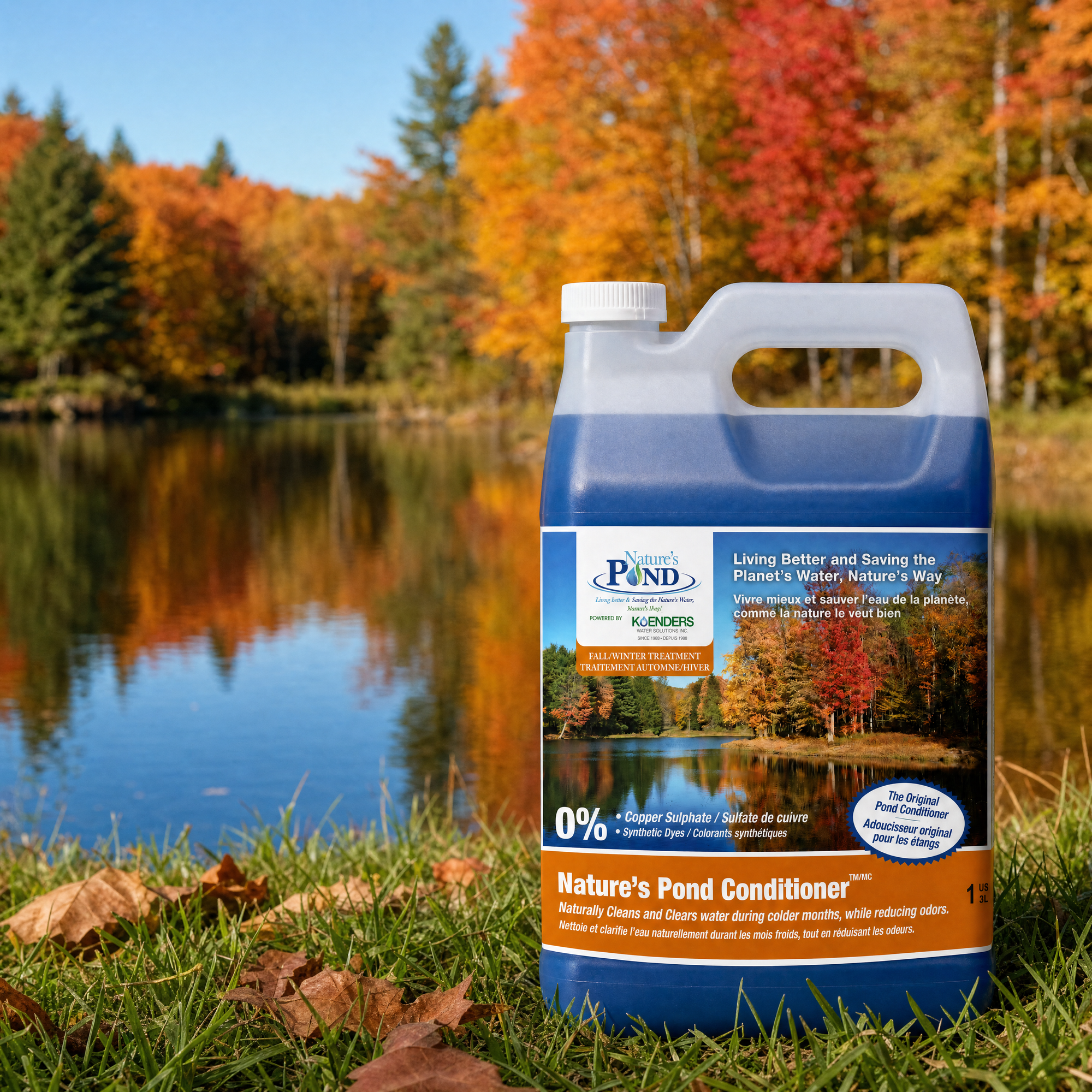
Review whether the system matches the pond rather than simply adding equipment. Natural and beneficial-bacteria products may complement aeration by helping biological processes reduce available nutrients and gradually improve water clarity, muck, and odour. They do not replace adequate oxygen, circulation, source control, or maintenance, and outcomes vary with conditions. Follow label directions and use a dosing approach appropriate to the water body.
Build a preventive maintenance routine
The best troubleshooting starts before failure. Keep a log of pressure, filter service, diffuser cleaning, service-part replacement, unusual sounds, and seasonal observations. Use the intervals in the equipment manual, since compressor type, operating conditions, and run time affect maintenance needs.
- Clean, unobstructed air intake and enclosure ventilation
- Secure fittings, mounts, guards, and cabinet panels
- Airlines protected from kinks, damage, settlement, and low spots
- Balanced airflow across diffuser stations
- Pressure and sound compared with the system's normal baseline
- Diffusers serviced according to their material and manufacturer instructions
- Winter hazards marked and access controlled
If you cannot isolate the fault safely, collect the model and serial information, installation depth, airline length, pressure reading, maintenance history, and symptom timeline before contacting KOENDERS WATER SOLUTIONS or an authorized dealer. Those details turn a vague report into a faster, more reliable diagnosis.
Related
- Pond aerator calculator Estimate an aeration setup based on pond dimensions and operating conditions.
- Pond dosing calculator Plan product dosing based on the size and characteristics of your pond.
- Lakes and large ponds Explore water-management considerations for larger and more complex water bodies.
- Pond care program Build a coordinated approach to aeration, maintenance, and ongoing pond care.
- Contact KOENDERS Get help identifying equipment, replacement parts, or the next diagnostic step.
FAQ